The Gomoku blog
Strategy, rules and stories from the world of five in a row. 51 articles, updated regularly.
51 articles
Latest · Strategy · Intermediate
Gomoku Candidate Moves: Compare Two Plans Before You Click
Compare two Gomoku candidates by purpose, strongest reply, useful follow-up, and defensive cost rather than visual appeal.
6 min read
Defensive Junctions: Stop a Gomoku Fork Before It Forms
Find the empty intersection linking an opponent’s threats and test whether occupying it prevents a future Gomoku fork.
6 min read
Crowded Gomoku Positions: Separate Live Lines From Blocked Ones
Read dense Gomoku boards by separating continuous runs, usable five-point windows, blocked lines, and immediate completion squares.
6 min read
Gomoku Tempo: Compare How Many Turns Each Threat Needs
Compare Gomoku threats using actual turn order, forcing replies, and the difference between needed placements and available moves.
6 min read
Multi-Direction Gomoku Shapes: Find a Useful Shared Stone
Evaluate shared stones by tracing separate axes, testing endpoints, and checking whether one defense can neutralize multiple Gomoku lines.
6 min read
When to Abandon a Gomoku Attack and Defend
Recognize when an attack has lost its tempo, identify the necessary defense, and preserve useful stones for a revised plan.
6 min read
Gomoku Endgames: Check Remaining Winning Windows
Analyze crowded late positions by eliminating blocked five-point windows, finding remaining completions, and testing shared defenses.
6 min read

Playing Black in Gomoku: Use the First Move With a Concrete Plan
Use a central first stone to build connected branches, test White’s replies, and schedule defensive checkpoints instead of memorizing a rigid sequence.
6 min read
Timed Gomoku: A Short Turn-Clock Decision Routine
Build a ranked turn routine around immediate threats, two candidates, and a final legality check, with verified clock and reconnect details.
6 min read
Casual vs Ranked Gomoku: Choose the Right Session
Choose between private rooms, local study, computer practice, and rated matchmaking based on your session goal and identity limits.
6 min read
Gomoku Elo Ratings: Understand Results and Seasonal Standings
Understand the implemented Elo formula, unequal-rating draws, separate seasonal calculations, and archived standing order.
6 min read
Draw Offers and Resignations: Friendly Gomoku Game Etiquette
Use draw offers and resignations clearly, distinguish a lost position from frustration, and understand casual and ranked result handling.
6 min read
Private Gomoku Rooms: Spectators, Seat Recovery and Replacement Players
Manage spectator permission, disconnected seats, color changes, and replacement players without confusing room recovery with a new game.
6 min read

Local Gomoku Study: Use Undo and Hints Without Guessing
Turn local undo and hint controls into a controlled study method with candidate notes, reply testing, and clear engine limitations.
6 min read
Tracking Gomoku Puzzle Practice With Browser-Local Stats and Backups
Read local puzzle metrics, export a CSV, preserve events and progress in JSON, and understand the exact backup merge policy.
6 min read
Gomoku Diagonal Threats: A Scanning Practice Guide
Practice both diagonal slopes with coordinate drills that reveal gaps, endpoints, and crossing threats before you choose a block.
6 min read
Gomoku Double Fours: Independent Threats and Shared Defenses
Test double-four claims by listing completion squares, checking shared defenses, and looking for an immediate opposing win.
6 min read
Gomoku Double Threes in Freestyle: When the Fork Works
Learn when a freestyle double three becomes a real tactical fork, and when shared blocks or faster counterplay defeat the idea.
6 min read
Gomoku Counter-Threats: When a Four Buys Time
Compare useful counter-fours with attacks that arrive too late, using explicit turn order and defensive follow-through.
6 min read
Quiet Moves in Gomoku: Preparing a Useful Junction
Study non-forcing junction moves by tracing future lines, testing early defensive occupation, and comparing quieter alternatives.
6 min read
Forcing Sequences: Calculate a Gomoku Attack One Reply at a Time
Use a two-stage coordinate attack to practice forced replies, counter-win checks, branching, and honest stopping points.
6 min read
How to Review a Gomoku Replay After a Loss
Find an actionable earlier decision in a lost game, reconstruct the position, test alternatives, and save one precise training note.
6 min read
First-Move Choices in Freestyle Gomoku: Center and Nearby Replies
Compare center, off-center, and nearby reply choices through line space, concrete follow-ups, and controlled opening practice.
6 min read
Direct and Diagonal Gomoku Replies: Compare Two Opening Exercises
Compare adjacent direct and diagonal replies to a center opening through coordinate exercises, line checks, and controlled practice branches.
6 min read
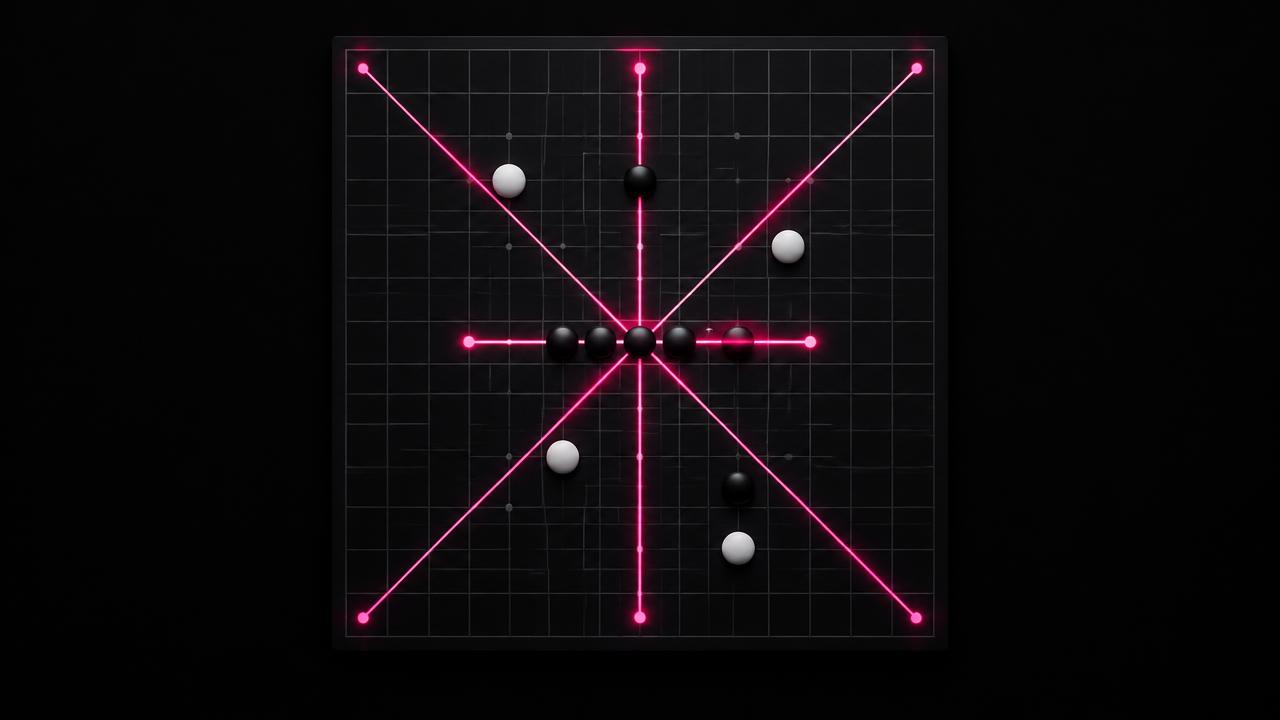
Standard vs Freestyle Gomoku: Exact-Five Practice Positions
Practice exact-five and at-least-five evaluation with hypothetical gap fills, diagonal runs, blockers, and simultaneous-axis checks.
7 min read